
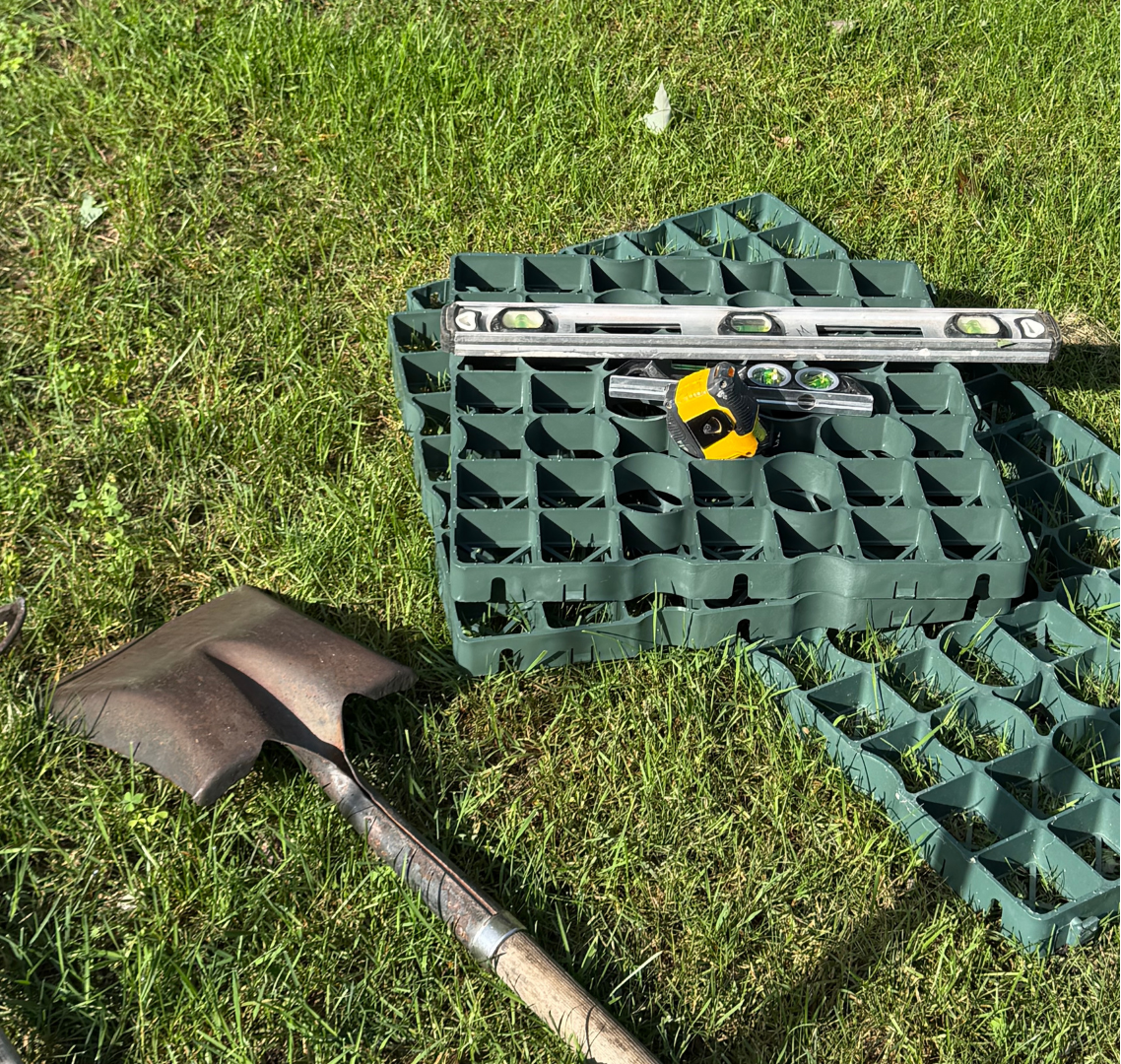
Changing how your crew sets foundations is a real decision, and the people doing the work usually have good questions. Here are the ones we hear most, answered plainly.
Is it really easier than using a concrete foundation?
There’s no forming, mixing, or pouring. That removes much of the crew time and equipment involved in a concrete foundation, and the work isn’t tied to a pour day or the weather in the same way.
How long does an installation take?
A fraction of the labour time of a concrete pour. A crew that spends half a day on a concrete foundation can complete several MonuGrid® installations in the same window. Actual times will vary with site conditions and crew, and we’re happy to walk through what to expect at your cemetery.
Is there a cure period?
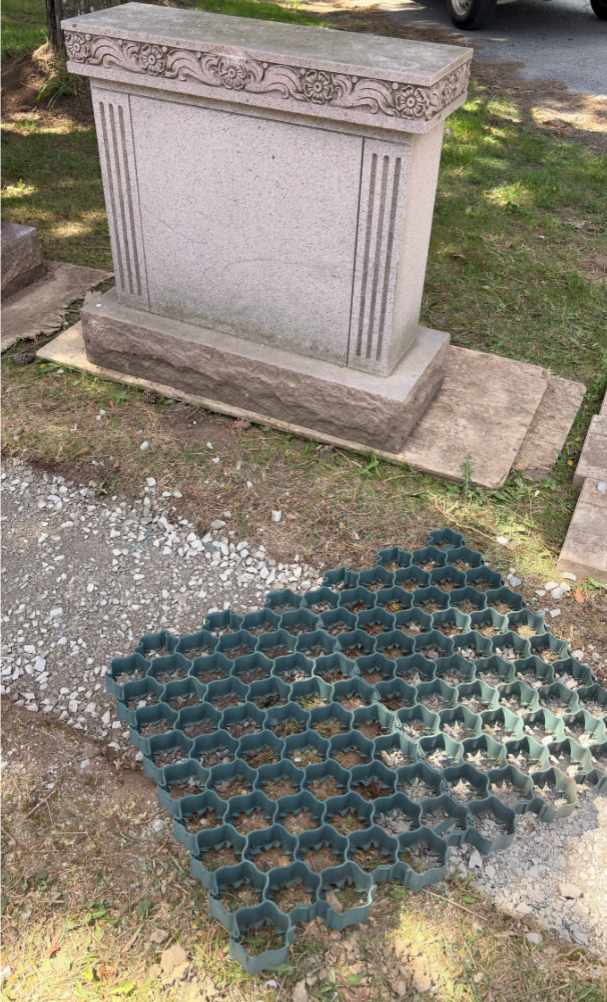
No. Concrete has to cure before a marker can safely be set, which means scheduling around it. MonuGrid® removes that waiting period.
Will the foundation end up shifting from frost heave?
This is where the system is designed to differ from concrete. Concrete is rigid, while the ground flexes, swells, and contracts with every freeze-thaw cycle. MonuGrid® is designed to move with that natural ground movement rather than resist it, which is why frost heave is a compatibility issue, not just a climate one.
Will we still have call-backs?
Foundations that work with the ground are less likely to heave, tilt, or crack season after season, which is what drives most spring resets and call-backs with concrete. That means less recurring labour on your schedule.
How does the cost compare?
A concrete foundation averages about $320 per installation once labour, materials, and time are counted. A MonuGrid® installation is $56 — roughly 80% less. Across a full season, that difference adds up quickly.
What’s the best way to get started?
Talk to someone who can look at your install volume, site conditions, and crew setup, and walk you through what a first MonuGrid® installation would look like.
