

The One Change That Made Memorial Restorations Walk Away from Concrete for Good
Case Study
Memorial Restorations was the first organization to bring MonuGrid® into real-world cemetery application. Here is what they found and why they never looked back.
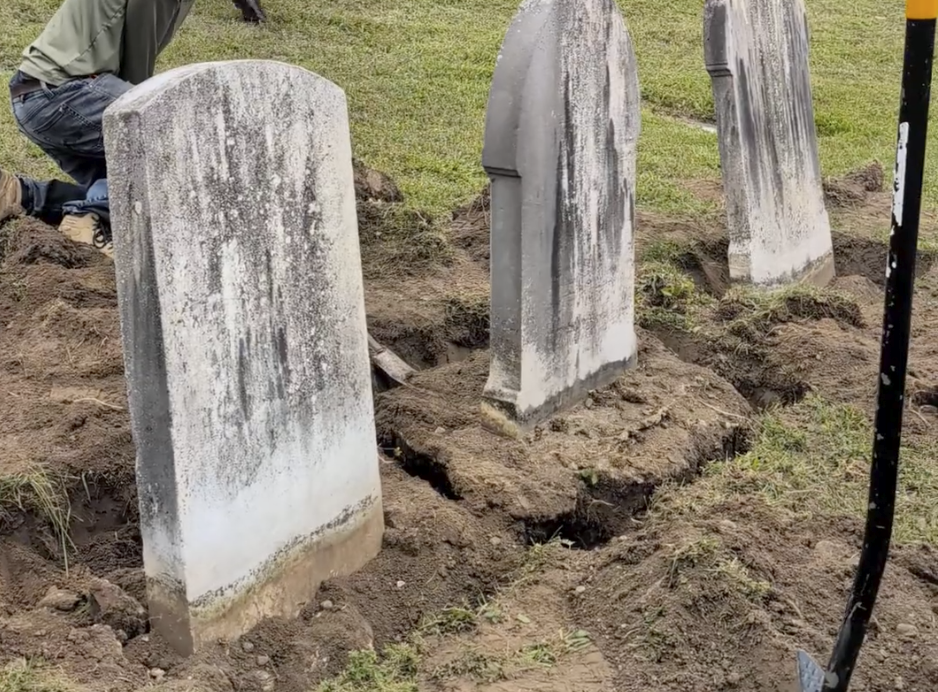
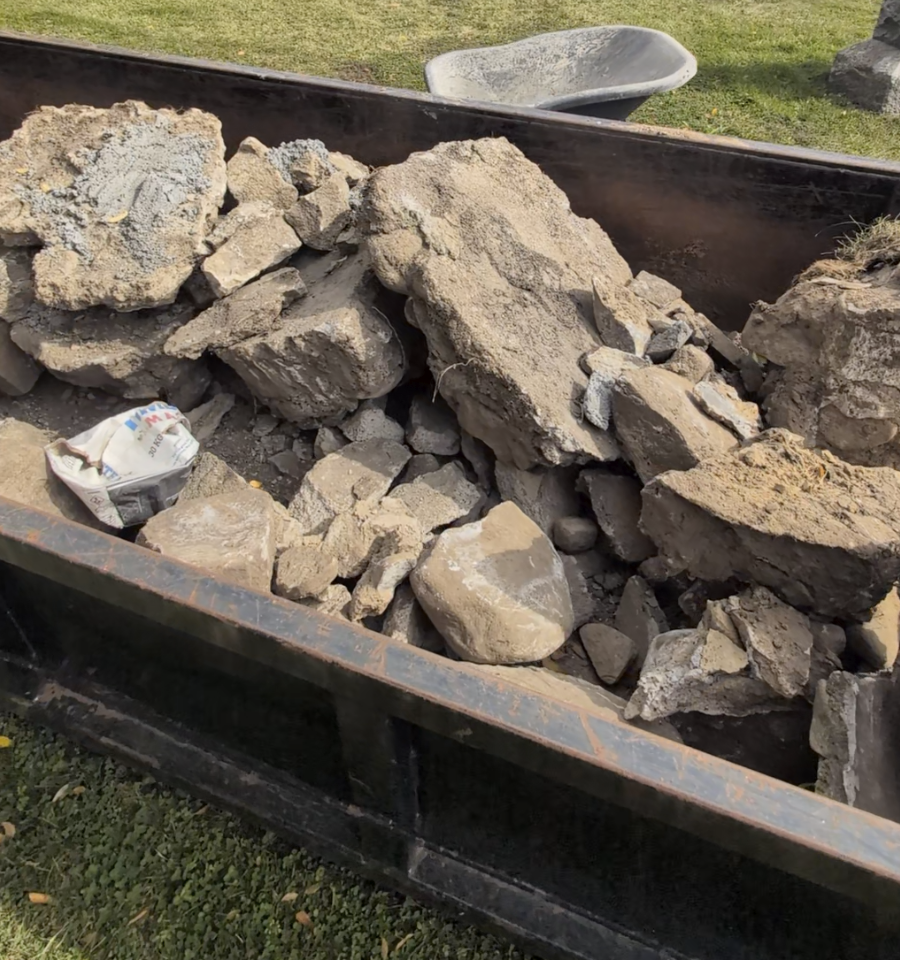
The Challenge
A Problem the Industry Had Accepted as Inevitable

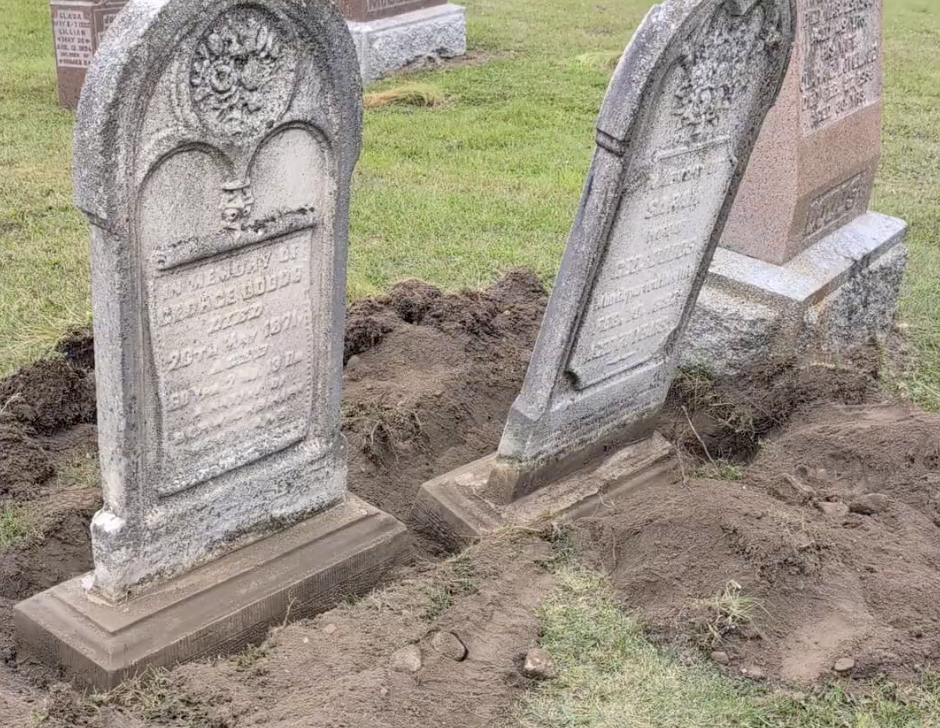
Cemetery superintendents and restoration professionals have fought the same battle for decades. Markers settle. Foundations crack. Monuments that were set correctly slowly become safety hazards. And the cycle repeats.
Traditional concrete foundations have been the default for over a century. Not because they perform well over the long term, but because no credible alternative existed. For Tom Klaasen and the team at Memorial Restorations, that default was no longer acceptable.
True restoration, in their view, means fixing the root cause. Not just resetting a fallen stone, but solving the foundation problem beneath it so it does not happen again.
Soil instability
Rain, ground movement, and organic decomposition cause soil beneath heavy granite markers to settle unevenly over time, creating an unstable base regardless of how well the foundation was originally installed.
Freeze-thaw damage
In northern climates, frost action lifts and cracks rigid concrete foundations season after season. Headstones tilt, sink, and become safety hazards. The repair cycle never ends because the underlying cause is never addressed.
Labour and access burden
Hauling heavy concrete into narrow cemetery rows, mixing materials on site, and waiting days for cure times adds significant labour cost and disruption. In a setting that demands dignity and care, the process itself was a problem.
The Solution
A Foundation That Works With the Ground, Not Against It
Klaasen recognized that concrete's fundamental flaw is its rigidity. Concrete is a large, fixed mass placed in an environment that is constantly flexing, shifting, and expanding. Over time, that incompatibility is what causes foundations to fail.
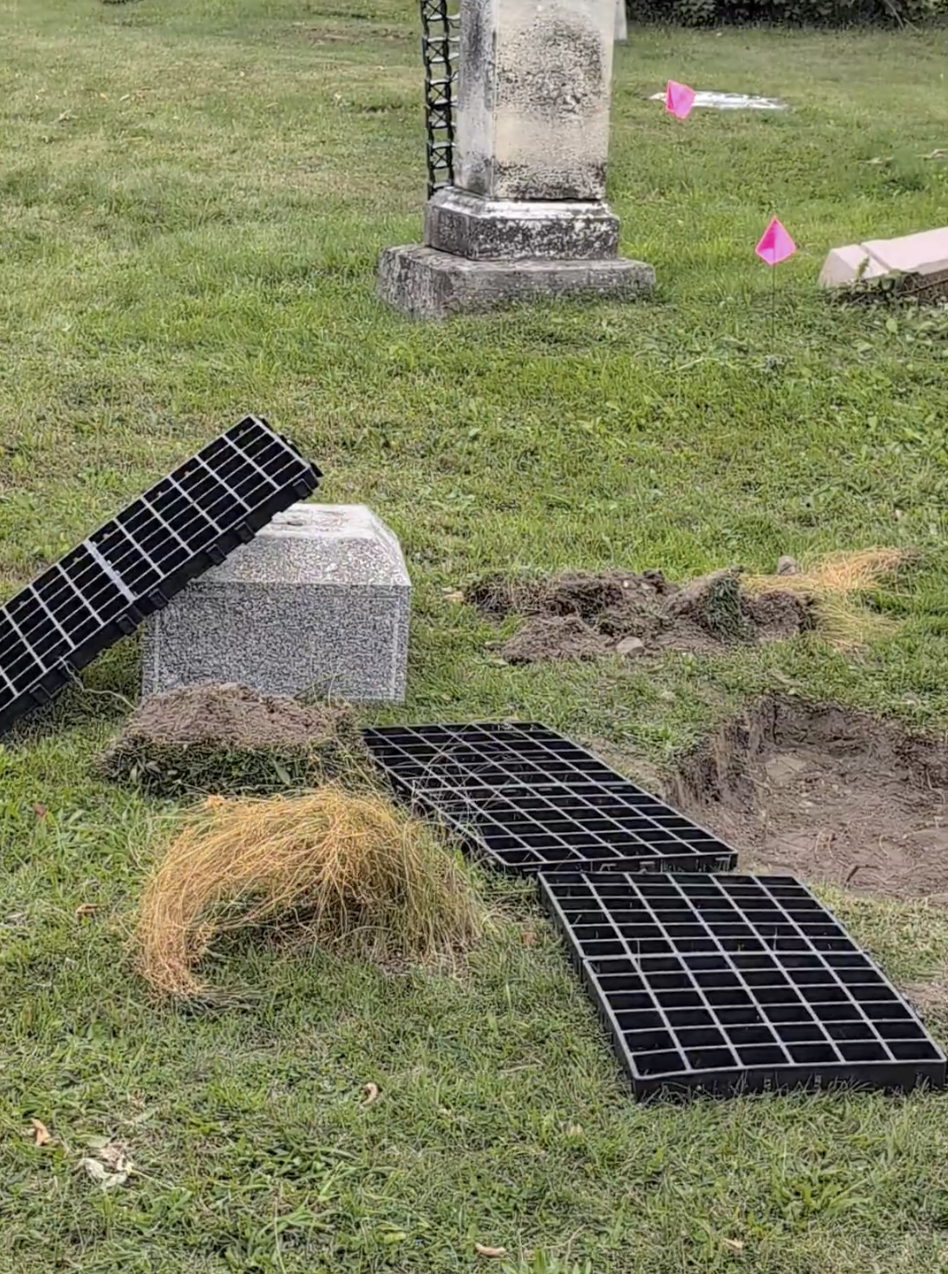
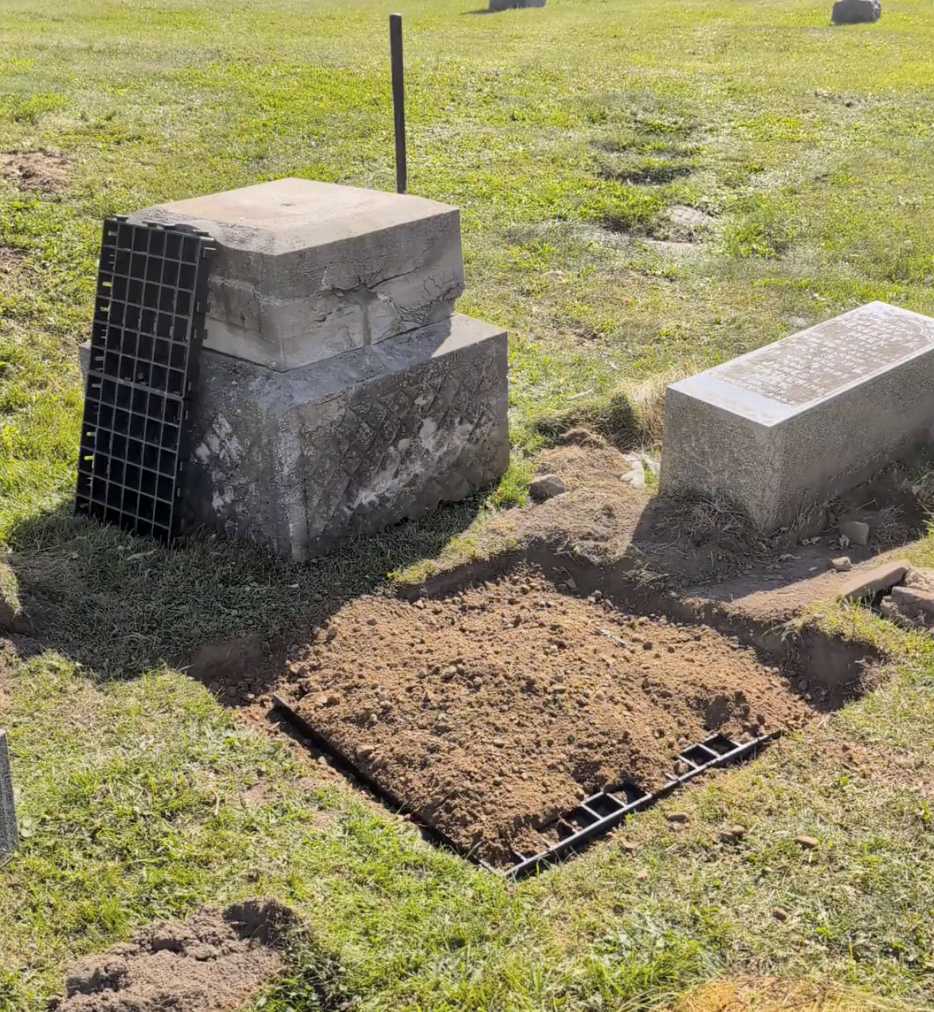
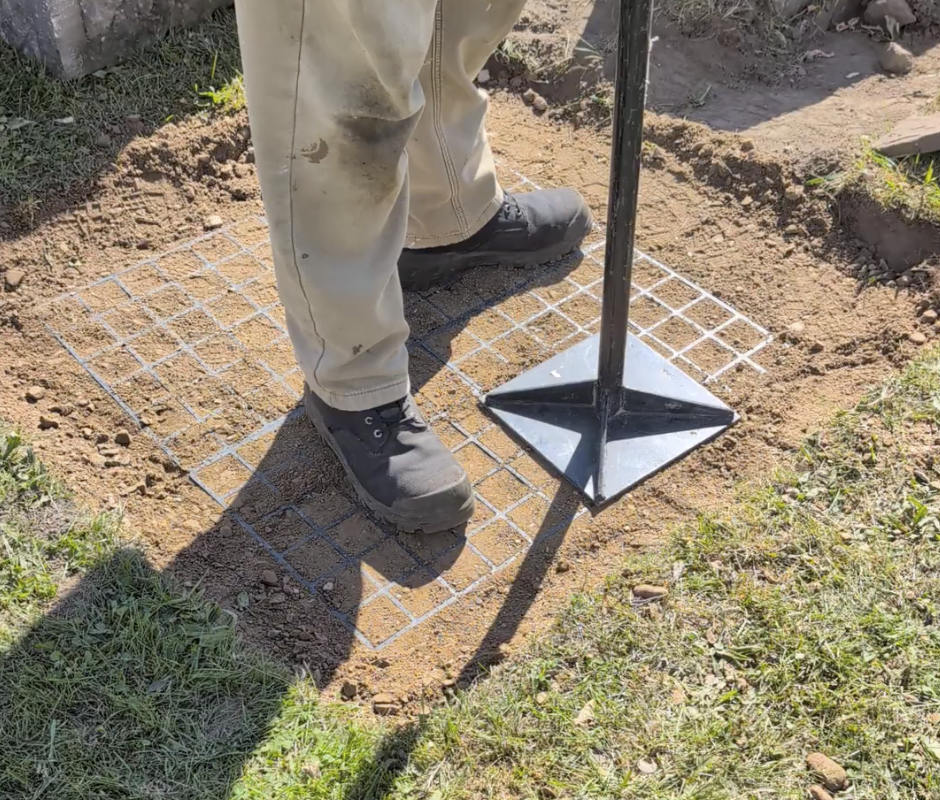
MonuGrid® takes a different approach. Its rigid polymeric 3D cellular structure is filled with aggregate to create a flexible, highly stable sub-base that distributes load laterally across a much wider surface area. Rather than fighting natural ground forces, it accommodates them.
Klaasen and his team at Memorial Restorations were the first professionals to bring MonuGrid® into real-world cemetery application, testing and validating the system in field conditions before anyone else in the industry had tried it.
Four Advantages Memorial Restorations Found Immediately
What Changed In The Field
Cemetery superintendents and restoration professionals have fought the same battle for decades. Markers settle. Foundations crack. Monuments that were set correctly slowly become safety hazards. And the cycle repeats.
Traditional concrete foundations have been the default for over a century. Not because they perform well over the long term, but because no credible alternative existed. For Tom Klaasen and the team at Memorial Restorations, that default was no longer acceptable.
True restoration, in their view, means fixing the root cause. Not just resetting a fallen stone, but solving the foundation problem beneath it so it does not happen again.
Same-day completion, zero cure time
Unlike concrete, MonuGrid® requires no setting time. Klaasen's team could excavate, set the MonuGrid, fill with aggregate, and place the monument in a single continuous workflow with no return visits required.
Frost resilience built into the system
By confining the infill aggregate, MonuGrid® prevents lateral particle displacement. The system flexes with freeze-thaw cycles rather than cracking against them, keeping monuments plumb year after year.
Significant labour savings
Eliminating the need to haul heavy bags or pre-cast concrete blocks reduced physical strain and cut job-site turnaround time substantially, allowing Memorial Restorations to complete more restorations per week.
Minimal ground impact
Lightweight materials mean less heavy equipment on sensitive turf, protecting adjacent historical gravesites from compaction and damage. The jobsite stays clean and the grounds stay undisturbed.
“
Restoration is not just about making a monument look good today. It is about addressing the cause of the problem, not just resetting the stone. Compared to repairing with cement, MonuGrid® saves us time and allows us to perform more work for our clients. There is no hauling, no mixing, and no waiting for concrete to cure, and we leave the site cleaner.
Tom Klaasen, Memorial Restorations
The Bigger Picture
From Field Innovation to Industry Standard.
What Tom Klaasen and Memorial Restorations proved in the field is now becoming standard practice for cemetery operators across North America. The case they made was straightforward: the MonuGrid Engineered Ground stabilization system is not an alternative to concrete. It is the modern benchmark for cemetery infrastructure.
Monuments installed on MonuGrid® remain level and stable long-term, breaking the multi-year cycle of repeat maintenance that has drained operations budgets and strained family relationships for decades.
For municipalities and cemetery operators looking to modernize their approach to asset preservation, the path forward is clear. The proof is already in the ground.
A note from MonuGrid®
Innovation in an industry built on tradition does not happen without people willing to take the first step. Tom Klaasen was the first professional to apply MonuGrid® in the field. His early adoption, expert craftsmanship, and willingness to pioneer this technology provided the real-world validation that is now changing the industry standard. We are grateful for his trust, his vision, and for leading the way.
About Memorial Restorations
Ontario's Cemetery Restoration Specialists
Led by Adin and Ethan Klaasen, with Tom still actively involved, Memorial Restorations serves communities across all Ontario regions, bringing hands-on expertise in monument installation, restoration, and cemetery safety to every project.
Ready to Improve Your Operations?
See what MonuGrid® looks like for your specific installation volume, soil conditions, and team size.